What is Registered Massage Therapy?
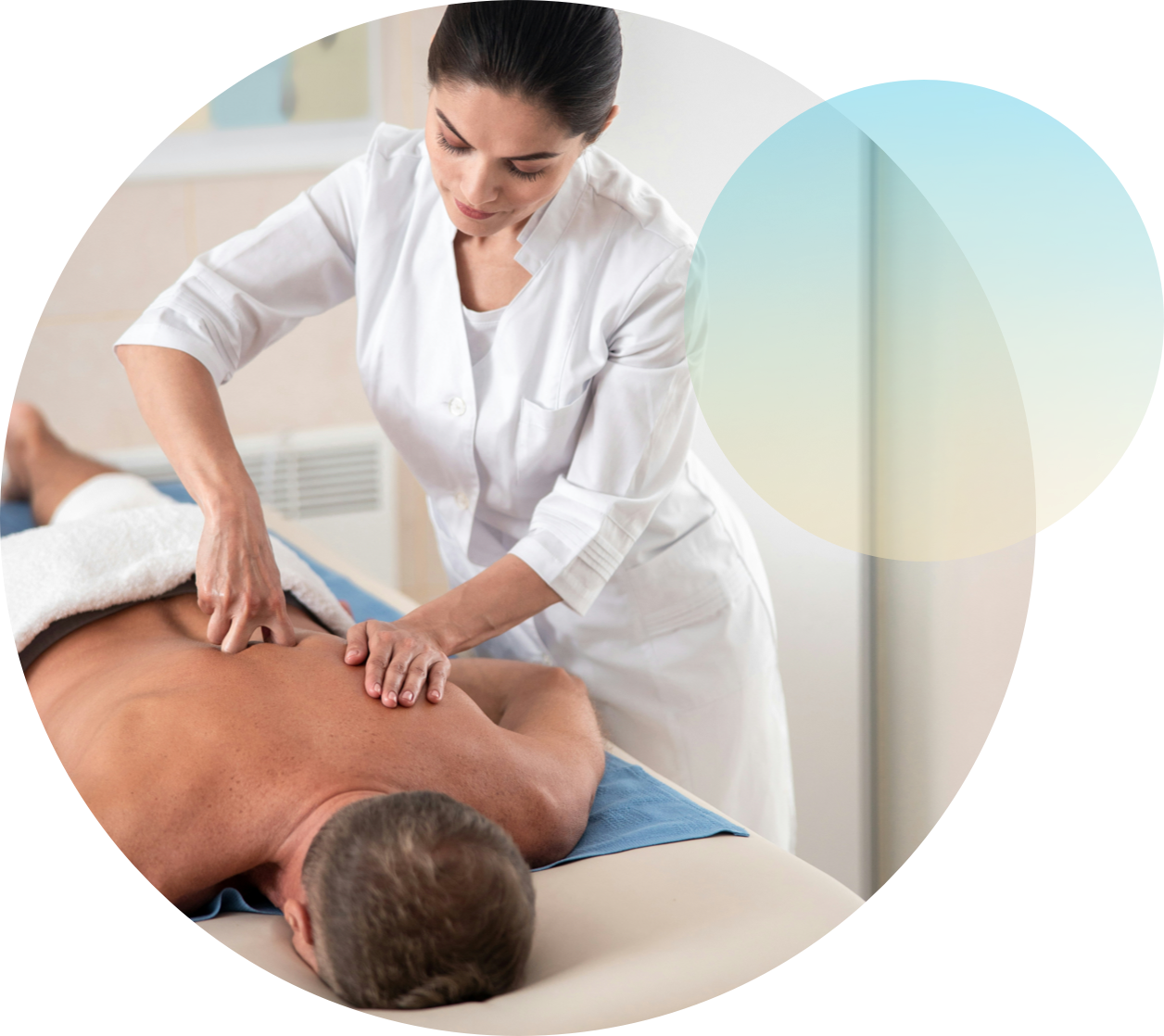
Registered Massage Therapy (RMT) is a regulated healthcare profession focused on the assessment and treatment of soft tissues and joints of the body. Registered Massage Therapists are trained healthcare professionals who use hands-on techniques to manipulate muscles, tendons, ligaments, and fascia to promote healing, reduce pain, and improve overall function.
Unlike spa or relaxation massage, therapeutic massage provided by an RMT is a medical treatment aimed at addressing specific health concerns. RMTs complete extensive education and training in anatomy, physiology, pathology, and therapeutic techniques, enabling them to create individualized treatment plans based on each client's unique needs and health conditions.
How Massage Therapy Works
Massage therapy works through multiple mechanisms to promote healing and improve health. When an RMT applies pressure and movement to soft tissues, it increases blood circulation, which delivers oxygen and nutrients to muscles while removing metabolic waste products. This enhanced circulation promotes faster healing and reduces muscle tension.
Therapeutic massage also affects the nervous system, helping to reduce pain signals and trigger the release of endorphins—the body's natural pain relievers. By working with the parasympathetic nervous system, massage therapy can reduce stress hormones like cortisol and promote a state of relaxation that supports overall healing.
RMTs conduct thorough assessments before treatment, evaluating posture, range of motion, muscle tension, and areas of pain or dysfunction. They use this information to develop targeted treatment strategies that address not just symptoms but underlying causes of discomfort. Treatments may be adjusted over multiple sessions as your body responds and your condition improves.
Classic massage technique using long, flowing strokes, kneading, and circular movements to relax muscles, improve circulation, and promote overall relaxation.
Focused pressure applied to deeper layers of muscle and connective tissue to release chronic tension, break up adhesions, and address muscle knots.
Targeted pressure applied to specific points of muscle tension that refer pain to other areas of the body, helping to release tight bands and reduce pain.
Sustained pressure and stretching techniques to release restrictions in the fascia, the connective tissue that surrounds muscles and organs.
Specialized techniques for athletes to enhance performance, prevent injuries, and support recovery from training and competition.
Gentle movements of joints through their range of motion to improve mobility, reduce stiffness, and support proper joint function.
Back & Neck Pain
Headaches & Migraines
Sports Injuries
Whiplash
Sciatica
Muscle Strains
Shoulder Tension
Repetitive Strain Injuries
Plantar Fasciitis
TMJ Disorders
Fibromyalgia
Arthritis
Tendonitis
Carpal Tunnel Syndrome
Pregnancy-Related Discomfort
Postural Issues
Stress & Anxiety
Insomnia
Chronic Fatigue
Post-Surgical Recovery